
Introduction
Electric mobility has become increasingly popular, and it's easy to understand why. Rising fuel costs, busy cities, and the desire for more flexible transportation have pushed many people toward alternatives like electric bikes and electric scooters.In my experience, both options have their strengths, but they serve slightly different purposes. I've found that choosing between an e-bike and an e-scooter depends less on specifications and more on how and where you plan to ride.
One thing many riders overlook is that convenience matters just as much as speed or battery range. A vehicle that fits your daily routine is usually the best investment. Whether you're commuting to work, running errands, or simply looking for a fun way to travel, understanding the differences can help you make the right choice.

Why People Are Choosing Electric Mobility
Electric transportation offers several advantages.People are choosing it because of:
- Lower running costs.
- Easier commuting.
- Reduced reliance on cars.
- Convenience in busy areas.
- Enjoyable riding experiences.
I've found that both e-bikes and e-scooters can make everyday journeys more enjoyable.
What Is an E-Bike?
An e-bike is essentially a bicycle with an electric motor that assists while pedaling.Most models include:
- Pedal assistance.
- Rechargeable batteries.
- Adjustable assistance levels.
- Traditional bicycle components.
In my experience, e-bikes feel very natural and comfortable, especially over longer distances.
What Is an E-Scooter?
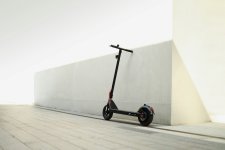
An e-scooter uses a compact electric motor and is operated while standing on a platform.Typical features include:
- Folding frames.
- Lightweight designs.
- Simple controls.
- Quick acceleration.
They are particularly popular among commuters who need to combine riding with public transport.
Key Differences Between E-Bikes and E-Scooters
Although both are electric vehicles, they offer different experiences.E-bikes provide:
- Greater comfort.
- Larger batteries.
- Better stability.
- Longer range.
- Compact size.
- Easy storage.
- Excellent portability.
- Lower weight.
Comfort and Riding Experience
This is where e-bikes usually have an advantage.In my experience, sitting down and having larger wheels makes a huge difference during longer rides.
I've found that e-bikes handle bumps, rough roads, and uneven surfaces much better than scooters.
One thing many riders overlook is fatigue. Standing on an e-scooter for extended periods can become tiring.
For short trips, however, scooters remain perfectly enjoyable.

Speed and Range Comparison
Both vehicles can provide impressive performance.However, e-bikes generally offer:
- Longer range.
- Better hill climbing.
- More efficient energy use.
I've found that quality e-bikes often deliver enough battery capacity for several days of commuting.
E-scooters perform well for shorter journeys, but battery size limitations mean their range is usually lower.
Portability and Storage
This is one area where scooters shine.E-scooters:
- Fold quickly.
- Fit under desks.
- Require little storage space.
- Are easier to carry.
I've found that folding e-scooters are extremely convenient for city dwellers.
Traditional e-bikes require more room, although folding e-bikes narrow the gap.
Maintenance Costs
Maintenance is another important consideration.E-bikes require attention to:
- Chains.
- Gears.
- Brakes.
- Tires.
In my experience, however, neither option is especially expensive to maintain.
A common mistake people make is ignoring regular maintenance altogether.
Simple habits such as checking tire pressure, inspecting brakes, and charging batteries properly can prevent costly repairs.
Safety advice: always inspect brakes and tires before riding, regardless of which vehicle you choose.
Which Option Is Better for Commuting?
The answer depends on distance.I've found that e-scooters work brilliantly for short urban trips.
For journeys over several miles, e-bikes usually become the more comfortable option.
In my experience:
- Short trips favor scooters.
- Longer commutes favor e-bikes.
- Hilly routes favor e-bikes.
- Mixed public transport journeys favor scooters.
Which One Offers Better Value?
Value depends on your lifestyle.E-scooters offer excellent affordability and convenience.
E-bikes provide:
- More versatility.
- Better comfort.
- Longer lifespan.
- Greater riding enjoyment.
I've found that riders who regularly cover longer distances rarely regret choosing an e-bike.
Meanwhile, scooter owners often appreciate the simplicity and compact size.
Conclusion
Both e-bikes and e-scooters have transformed personal transportation, and neither option is universally better. In my experience, the right choice depends entirely on your daily routine and priorities.I've found that e-bikes excel in comfort, range, and versatility, while e-scooters shine when portability and convenience are most important. One thing many riders overlook is that enjoyment matters too. The best electric vehicle is the one that fits naturally into your lifestyle and encourages you to ride more often.
Internal Link Opportunity
Related article: Beginner's Guide to Buying Your First E-Bike in 2025Frequently Asked Questions
1. Are e-bikes faster than e-scooters?
In many cases, speeds are similar, but e-bikes generally offer better performance over longer distances and hills.2. Which is easier to store?
E-scooters are usually easier to store because they fold and take up very little space.3. Are e-bikes safer than e-scooters?
In my experience, larger wheels and a seated riding position often provide better stability, especially on uneven roads.4. Which offers better value for money?
It depends on your needs. E-bikes usually provide greater versatility, while e-scooters excel in portability and affordability.
Last edited: